
Complete guide to vehicle types

Understanding the different types of cars on the market is essential whether you’re buying your first car, upgrading your current ride, or choosing something different to suit a new lifestyle. Some vehicle categories, such as SUVs and utes are especially popular in Australia, but there are many other body types that serve specific needs.
In this article we’ll explain all the common vehicle body types available, what defines them, and what kind of lifestyles they may be suitable for. We’ll also touch on EV vehicles and hybrids, but if you’d like to dive deeper check out our article on EVs and how they work or learn more about the different types of hybrid vehicles.
Hatchback
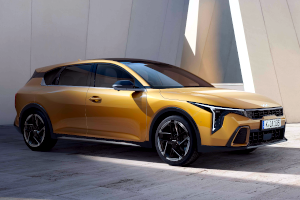
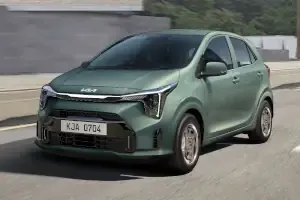
Hatchbacks are passenger cars with three or five doors and defined by a rear hatch or liftgate for the boot that integrates storage and passenger space into a single area. Unlike sedans, which feature a separate boot, hatchbacks allow for more versatile cargo loading. Rear seats can also often be folded flat, creating additional space for larger items.
One example of a hatchback is the Kia Picanto, a compact vehicle that is easy to park, highly fuel efficient, and reliable. The K4 Hatch provides more space and the latest in driving technology, giving drivers the practicality of a hatch with a refined driving experience.
Hatchbacks are popular with city drivers and commuters because of their compact size and small footprint, providing great maneuverability in areas of limited space. They are also well suited to singles and couples who want flexible cargo space without switching to a larger SUV.

Sedan
The sedan is the quintessential passenger car.
Sedans are perhaps one of the most recognisable vehicle types. They are characterised by an enclosed cabin and a separate boot, offering a distinct separation between passenger and cargo space. They typically have four doors and seat up to 5 passengers.
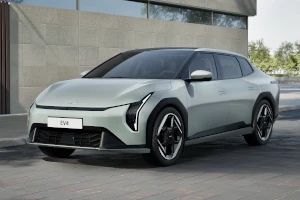
Some sedan examples include the sleek and stylish Kia K4 Sedan which comes in 5 different grades and the upcoming Kia EV4 Sedan, which adds the benefits of all‑electric driving.
Sedans often appeal to professionals and families who prefer a classic vehicle silhouette, quiet ride and agile handling due to its low centre of gravity.

SUV
Sports utility vehicles (SUV) have quickly become Australia’s most popular vehicle type. They stand out with their higher driving position and greater ground clearance compared to sedans or hatchbacks. This allows for a better view of the road and makes it easier to get in and out of the vehicle.
Many SUVs also offer off-road capabilities and flexible seating and cargo options, including fold‑down seats that adapt to passenger or storage needs. They also come in many sizes to suit different lifestyles.
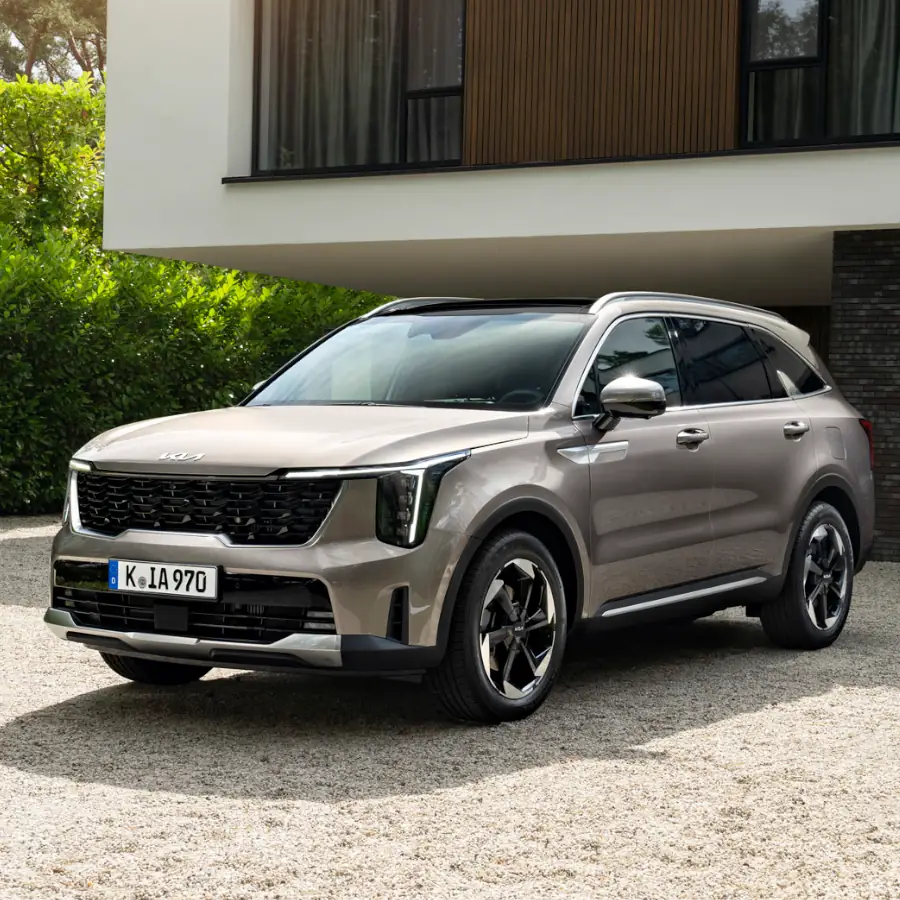
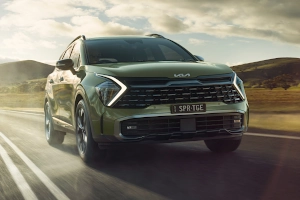
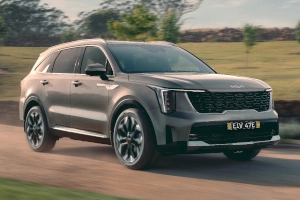
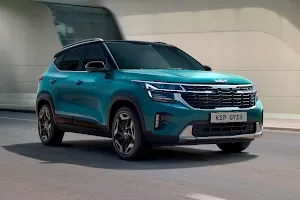
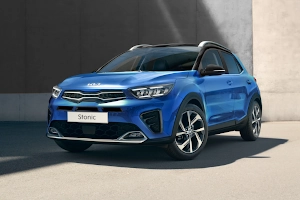
Some SUVs are smaller, such as the small SUV Kia Seltos, or the light SUV Kia Stonic, both of which have 5 seats and can be ideal for urban living. The Kia Sportage is a popular medium-sized SUV with also 5 seats, while offering a little more space and versatility. And for growing families, the large, stylish 7-seater Kia Sorento can meet all your people and cargo transport needs.
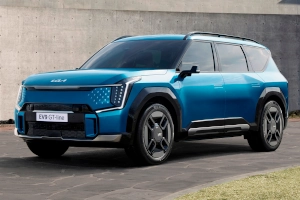
SUVs can also be all-electric, such as the upper large SUV Kia EV9. The EV9 comes with 7 seats as standard, or as a 6-seat configuration with the soon to come luxurious EV9 GT, showcasing Grant Turismo aesthetics and performance.

Crossover
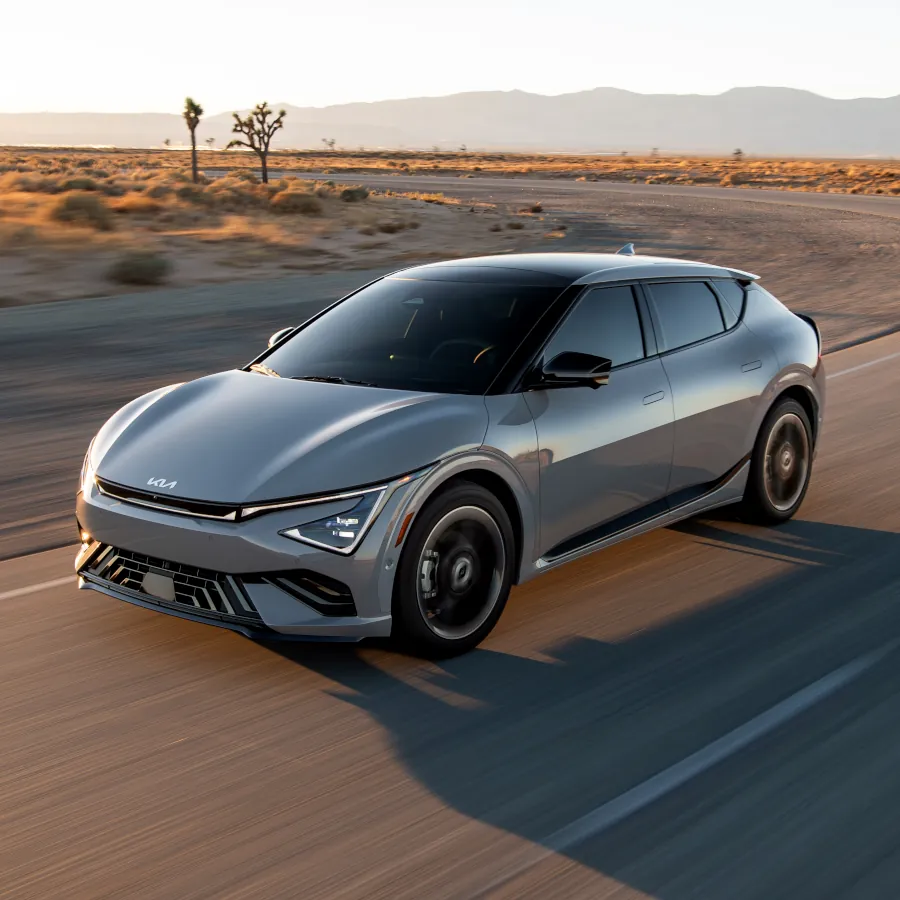
Blending SUV presence with hatchback efficiency, a crossover offers the best of both worlds.
Crossovers combine the elevated stance and versatility of an SUV with the compact footprint and driving dynamics of a hatchback or sedan. They are often popular with drivers who want SUV styling combined with on-road versatility.
People mover
When you need maximum seating and comfort while traveling, a people mover is the way to go.
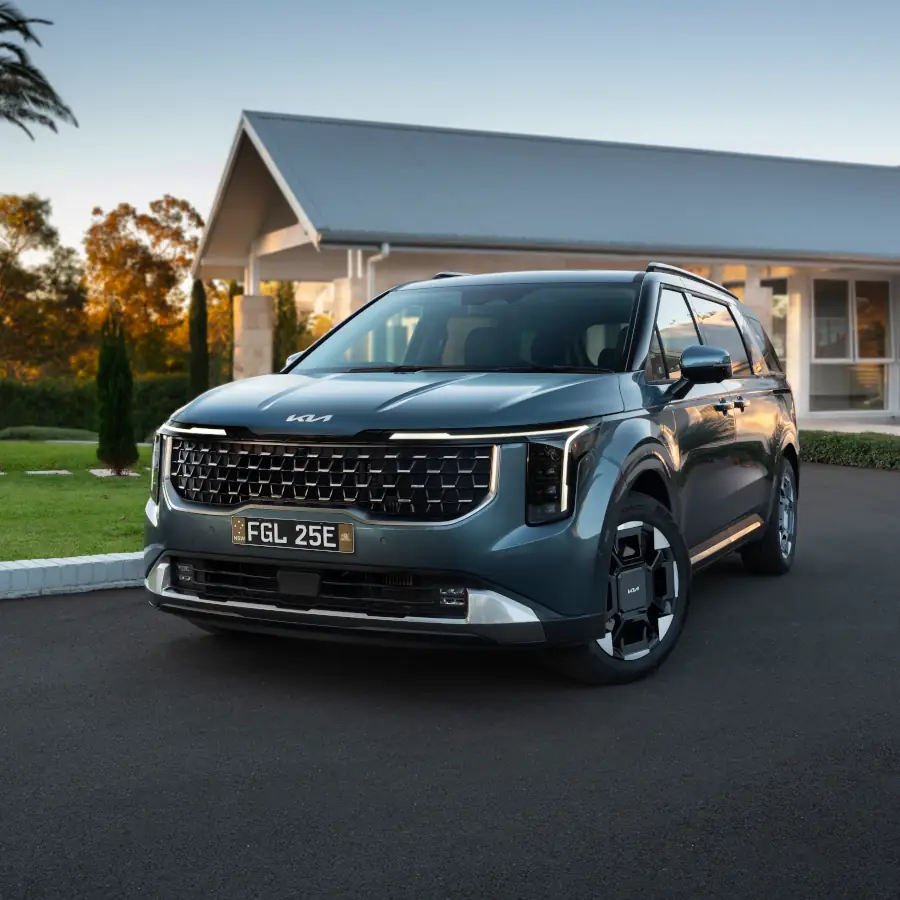
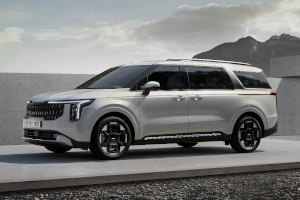
People movers, or family wagons, are designed to maximise passenger capacity and comfort. They can usually carry up to eight people, making them the go‑to choice for large families or groups. Sliding side doors make it easy to enter and exit in tight carpark spaces, while cabins are designed for flexible seating arrangements. Even with all rows in use, there is typically ample boot space.
The Kia Carnival is one family wagon that has been upgraded to a GUV, or Grand Utility Vehicle. It boasts premium styling alongside a generous leg, head and shoulder room, and a smooth and comfortable car-like driving experience.
For buyers who need multiple child seats, isofix and anchor points, frequent group transport, or maximum legroom, a people mover can provide an ideal blend of spacious seating and storage space.
Ute
Utes are an iconic vehicle in Australia, valued for their versatile usability across the outback terrain, worksites, and urban driving. Defined by a front cabin with a rear tray or flatbed, they combine passenger transport and the ability to carry heavy and bulky loads.
Configurations vary depending on whether you prioritise tray length or passenger seating. The Kia Tasman range covers multiple ute configurations, including dual cab and single cab, transporting heavy loads, up to one-tonne payload and a 3,500 kg towing capacity.
Utes are especially popular with tradies for transporting tools, and those who like to go on off-road adventures and need to carry camping equipment and recreational gear. They remain a central part of Australian culture and lifestyle.
If you’d like to learn more about utes, you can read our article on the difference between pick-ups and cab chassis and whether a tub or tray may suit your needs more.

EVs & Hybrids
With efficient and eco-friendly powertrains, EVs and hybrids are driving the future of mobility.
Electric Vehicles (EVs), and hybrid cars are not defined by their body style, but rather by what powers their movement. EVs run solely on electric power, while hybrids combine petrol engines with electric motors for improved efficiency.
EVs and hybrid vehicles are becoming more and more popular, with the market experiencing rapid global growth due to increased consumer demand and a bigger variety of models becoming available. This includes EVs and hybrid vehicles in many different body types, such as sedans, hatchbacks, utes and SUVs.
Models like the fully electric Kia EV5 mid-size SUV and the large Kia Carnival HEV (Hybrid Electric Vehicle) appeal to drivers who value the growing shift towards sustainability and innovative driving experiences.
If you’d like to learn more about electric vehicles and hybrids, read our article on the different types of electric and hybrid vehicles and how they work.
Vans & light commercial vehicles
Whether it's people or cargo transport, these vehicles are here to get the job done. If you work in trades, run your own small business, such as delivery or removalist services, or need a work-specific vehicle, you may look for a van or light commercial vehicle to meet your needs.
Light commercial vehicles are typically designed to transport cargo, have a gross vehicle weight of under 3.5 tonnes and can be driven with a standard car license. Common types include vans, utes and small trucks.
Utes have a rear tray or flatbed and a front cabin, and include the earlier-mentioned Kia Tasman, which comes in a dual cab pickup, dual cab chassis, and single cab chassis configurations to meet your commercial transport needs.
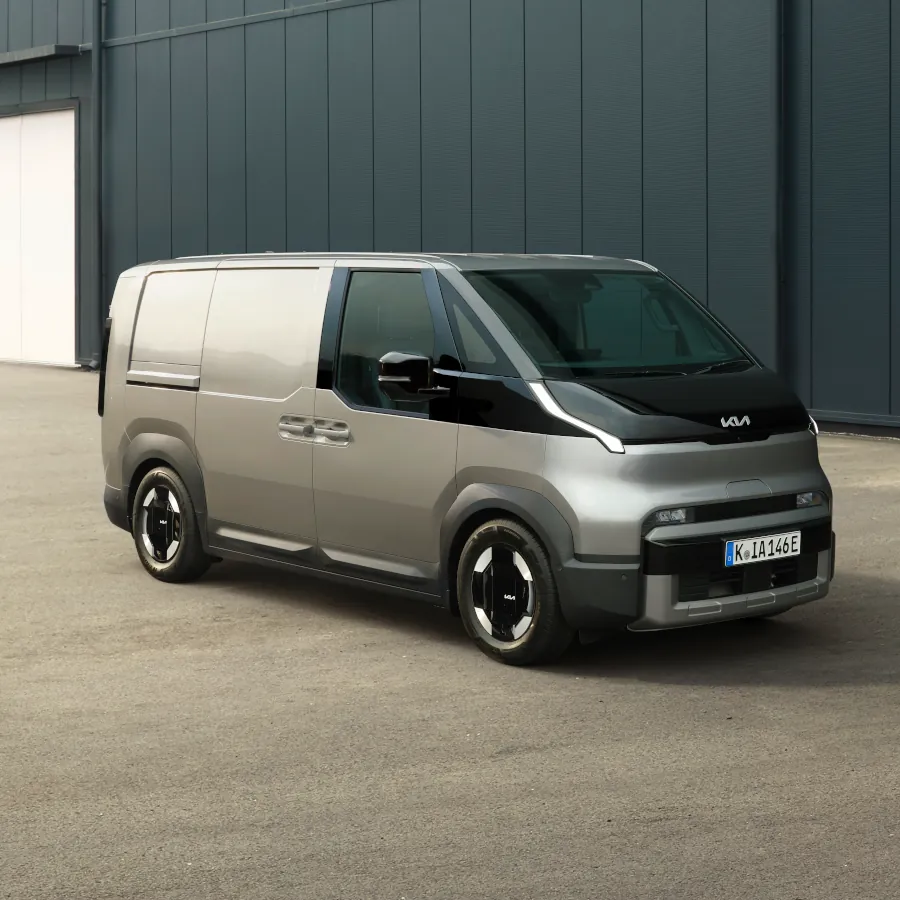
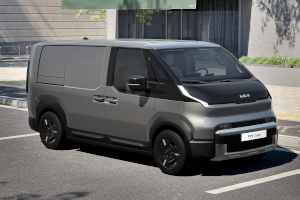
Vans are typically larger than a regular car and smaller than a truck, and can transport both goods and people. Vans can also come in various types, such as cargo vans for hauling, passenger vans for multiple people, and camper vans for living. One example of a van is the Kia PV5, an all-electric van catering to both business fleet and moving people.
Convertible
Nothing quite compares to the feeling of freedom like driving an open-air convertible with the roof down.
A convertible, also known as a cabriolet or cabrio, features a roof that can be retracted or folded down to provide the option for open-air driving. They come in two types: a soft-top made of vinyl or canvas that can be pulled down smoothly, or a hard-top that uses plastic or steel and operates automatically.
Convertibles are usually chosen more for leisure, style, and driving enjoyment over practical concerns. While less common today, convertibles remain a choice for people seeking a feeling of freedom and elegant appearance.
Coupe
With its sleek two-door design, a coupe emphasises style and a sports feel over practicality.
Coupes often look somewhat like a compact sedan: a two-door vehicle with a fixed roof and a small boot. However, what differentiates them is the sleek, sports styling and the emphasis on design and driving performance over passenger or cargo capacity. The word coupé literally means ‘to cut’ in French and refers to the defining trait of the vehicle’s sloping roofline.
Coupes deliver a rewarding, performance-focused driving experience for motor enthusiasts and those looking for genuine sports-styled vehicles.
Sports car
Built for performance, sports cars deliver speed, agility, and a thrill behind the wheel.
Sports cars are built for drivers who value performance, handling, and driving enjoyment. Convertibles and coupe models often fall under this category, but it can also include other vehicle types such as roadsters, hot hatches and sport sedans.
These vehicles usually feature powerful engines, sharp styling, and low-slung profiles. They can also offer nimble maneuverability, excellent acceleration, and great handling, appealing to drivers looking for power and excitement behind the wheel.
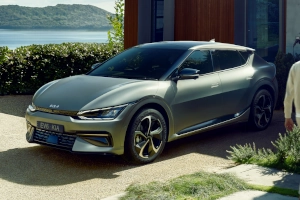
One example of a sports car is the Kia EV6 GT, which offers the ultimate EV performance, acceleration from 0-100km/h in 3.5 seconds, and racing inspired GT bucket style seats.
Station wagon
Combining car comfort with extra cargo space, a station wagon is especially suitable for active families and couples.
Station wagons blend the profile of a hatchback with extended rear cargo space, offering practicality without moving into SUV territory.
While station wagons are not as popular as SUVs in Australia today, they remain a practical choice for families who value car-like driving dynamics with more cargo room.
Choosing your vehicle: Explore the Kia range
Every vehicle type serves a distinct purpose, from the compact convenience of a hatchback to the refined comfort of a sedan, the versatility of an SUV, the space of a people mover, or the rugged practicality of a ute. Kia’s diverse lineup ensures that no matter what your priorities are, whether it’s city driving, family transport, or worksite reliability, there is a Kia vehicle designed to meet those needs.
Ready to discover your next ride? Explore the full range of Kia vehicles today.




Enter your postcode to
view appropriate pricing for your area.