

Do Electric Cars Make Noise?

Do Electric Cars Make noise?
Electric cars
are often described as quiet to drive, which leads many drivers to ask the same question: Do electric cars make noise?
A petrol or diesel car generates much of its noise through combustion. An electric vehicle uses an electric motor instead, so the familiar engine note is largely absent. Instead of engine noise, you'll hear more of the tyres, the road and the air moving around the vehicle.
For many people, this is one of the first things they notice when switching to electric. Many drivers comment on the quieter cabin, especially in slower-moving traffic and around town. At the same time, important safety systems make sure electric vehicles can still be heard when needed.
In this article, we'll explain how EVs create sound, the safety systems they use at low speeds and why many drivers value the quieter experience of electric driving.
What Sounds do Electric Cars Make?
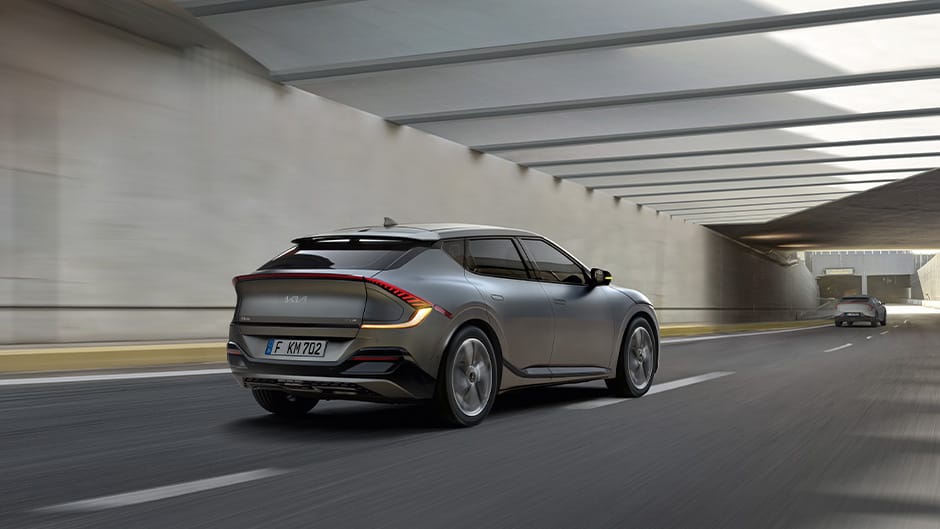
An EV doesn’t produce the same sounds as petrol or diesel vehicles because they don't have a combustion engine. But they are never completely silent.
Instead, the most common sounds you’ll hear are:
· Tyre contact with the road
· Wind and airflow around the vehicle
· Low-speed pedestrian warning sounds
These are the main sources of EV noise during everyday driving. Around town, where engine sound is usually more noticeable, this can make electric cars
feel much quieter than conventional cars. You'll also hear a sound when you reverse an EV, which helps alert pedestrians and other road users that the vehicle is moving.
Inside the cabin, reduced noise levels make conversations easier and everyday driving feel less tiring. Reduced engine noise is one reason many people enjoy driving an electric vehicle.
Why are electric cars quieter than traditional cars?
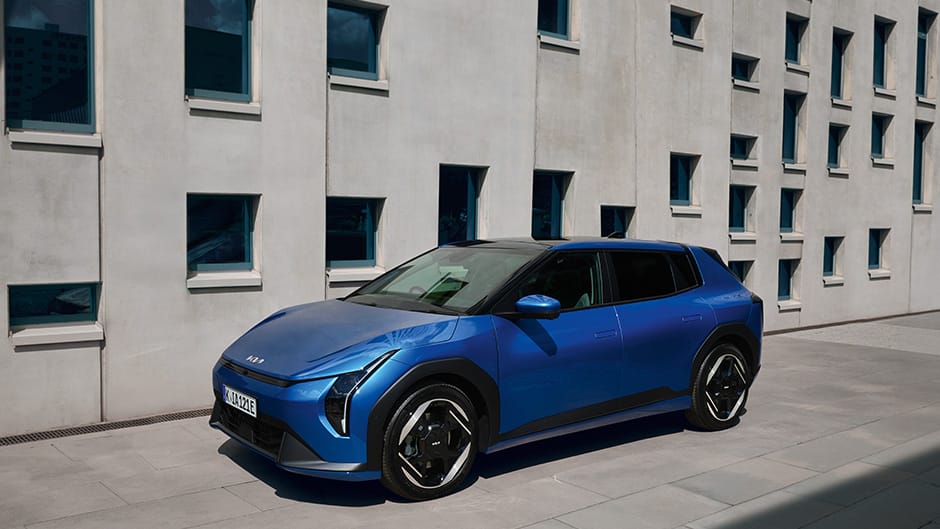
The answer comes down to how they generate power.
Petrol and diesel vehicles rely on internal combustion. Controlled explosions inside the engine create movement, but they also produce vibration and sound. Electric motors work differently.
Without an engine, exhaust system or many of the moving components found in conventional vehicles, familiar sounds such as engine revving and exhaust noise are greatly reduced.
An electric vehicle does not produce the same sound because there is no combustion engine. Instead, the sound people hear with an EV is mainly tyre or wind noise and, at lower speeds, safety warning sounds. There is also no traditional exhaust sound when driving an EV.
At higher speeds, tyre and wind noise naturally become more noticeable. In situations where engine noise would normally dominate, electric cars
are generally quieter than petrol or diesel models.
Do electric cars have to make noise?
· In the UK, electric
and hybrid
vehicles are legally required to emit an audible warning of at least 56 decibels at low speeds. This Acoustic Vehicle Alerting System (AVAS) became mandatory for new vehicles in 2019 and for all new registrations in 2021.
AVAS is fitted to improve safety for pedestrians, cyclists, and other vulnerable road users where tyre and wind noise alone may be too quiet. At higher speeds, AVAS is not required because road and airflow noise dominate.
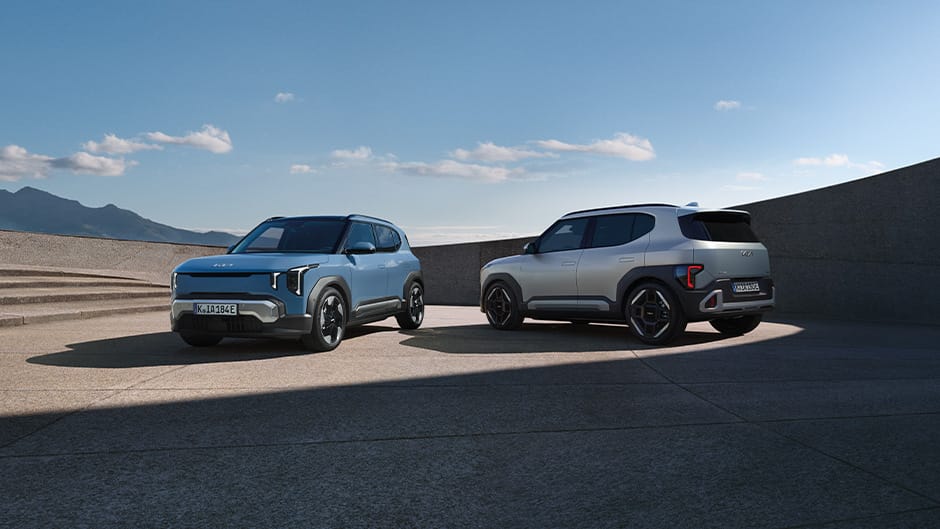
Kia EVs meet these requirements, with models such as the EV6
and EV9
equipped with Kia's Virtual Engine Sound System (VESS), which is our version of AVAS. This automatically emits an external warning tone at low speeds and when reversing.
The sound is not designed to mimic a petrol engine, more to simply increase awareness in places like residential streets, towns centres and car parks, helping quieter vehicles remain detectable.

How EVs help to reduce road noise
Electric vehicles can deliver meaningful reductions in urban noise pollution at the speeds where conventional engine sounds would usually dominate.
By removing combustion sound, EVs create quieter streets and calmer cabins for drivers, cyclists, and pedestrians.
At higher speeds, tyre and wind noise become the primary sources of sound for any EV, so the advantage narrows.
Overall, the benefits are most noticeable difference in built-up areas and slower traffic and can be amplified with low-noise tyres and smoother road surfaces. This helps cities sound quieter, while safety systems such as the Acoustic Vehicle Alerting System (AVAS) maintain awareness.
/EV-In-City-7(940x529).png)